

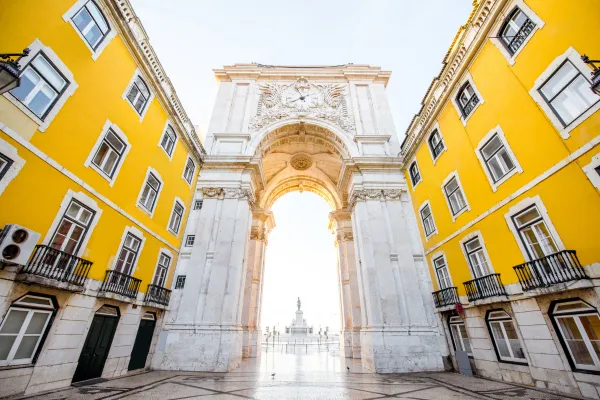
Portugal, Thoughtfully Experienced: A Journey Through Culture, Coast, and Quiet Discovery
There are destinations that invite you to move quickly, checking off landmarks and filling each day with activity.
Portugal offers something different.
It is a country best experienced at a more considered pace, where each region has its own distinct character and its own particular gifts. For the luxury traveler who values depth, beauty, and genuine ease, Portugal is one of Europe’s most rewarding destinations. From the energy of Lisbon to the quiet charm of Évora, from Porto’s layered soul to the Algarve’s coastline, the key is not seeing everything. It is experiencing each place well, with enough time and intention to let it settle.
Working with a boutique luxury travel agency that understands how Portugal’s regions connect transforms a beautiful trip into something that stays with you long after you return home.
⸻
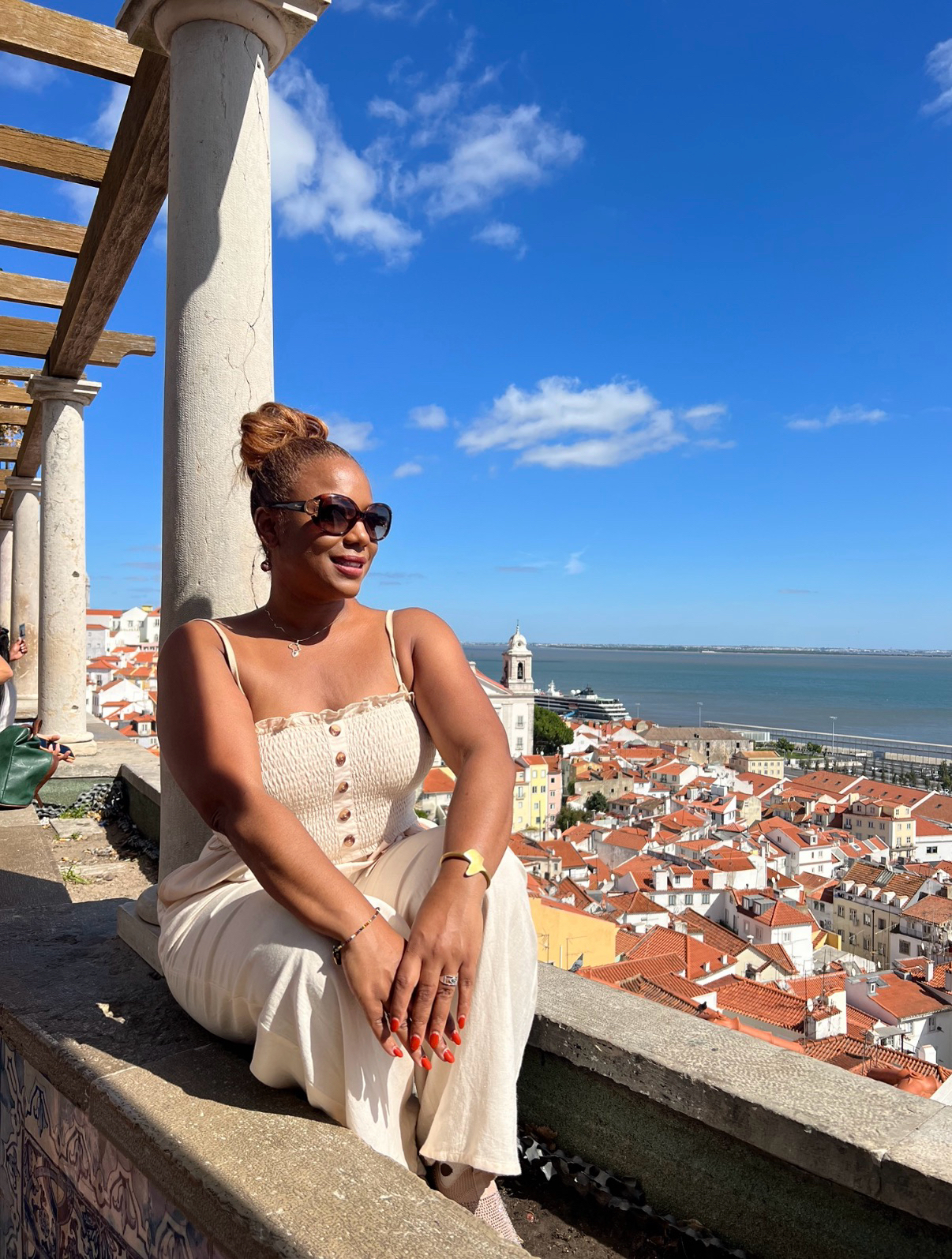
Lisbon: A City of Light and Movement
Lisbon feels alive in a way that is both energizing and effortless.
Trams move through narrow streets. Music drifts from open doorways. Neighborhoods like Alfama and Bairro Alto invite you to wander without a fixed plan.
Time here is best spent exploring slowly. A long lunch, a walk through historic streets, a quiet moment overlooking the Tagus River. Lisbon rewards curiosity, not urgency.
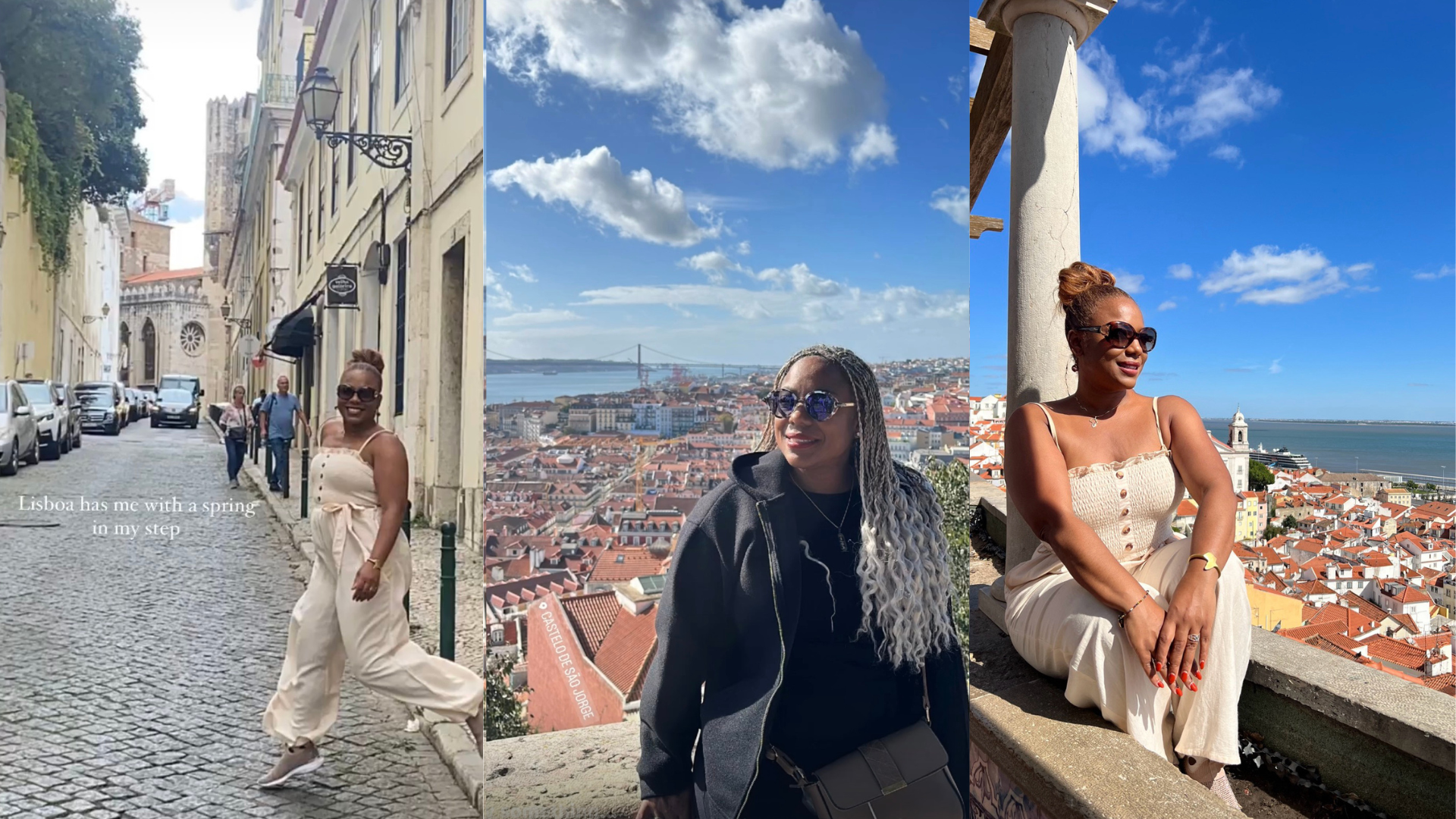
One evening, after dinner in the city center, we found ourselves simply walking, taking in the rhythm of the night. As we turned onto one of the streets, there was a gentleman playing his guitar, surrounded by a small but engaged crowd.
He began playing Volaré, and almost instantly, something shifted.
People started smiling, then singing. Strangers, completely unconnected just moments before, now sharing in the same experience. I found myself singing along as well, caught up in the energy of it.
There was something about that moment that felt so simple and yet so meaningful. A reminder of how travel can bring people together in the most unexpected ways.
It was not planned. It was not curated. And that is exactly what made it unforgettable.
⸻
Cascais: Coastal Ease Just Beyond the City
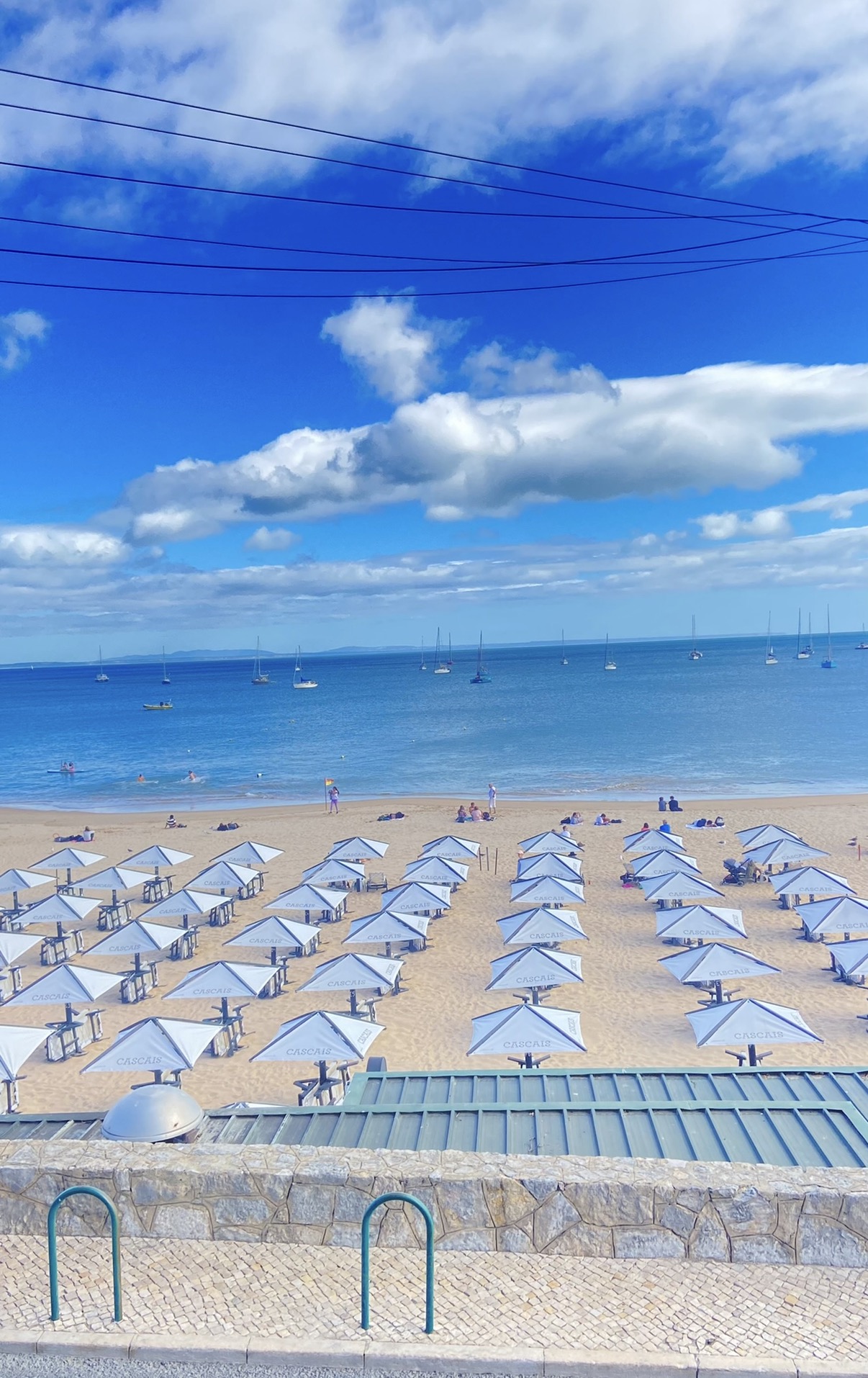
Just outside Lisbon, Cascais offers a seamless transition from city energy to coastal calm.
During my time there, what stood out most was how effortless it felt to get there. We took the train from Lisbon, and within a short, scenic ride along the coastline, everything began to shift. The pace softened, the air felt lighter, and there was no need to think about driving or logistics.
Cascais has long been known as a refined seaside escape, yet it never feels overly polished or staged. It remains, at its core, a genuinely enjoyable beach town. Relaxed, laid-back, and easy in all the right ways.
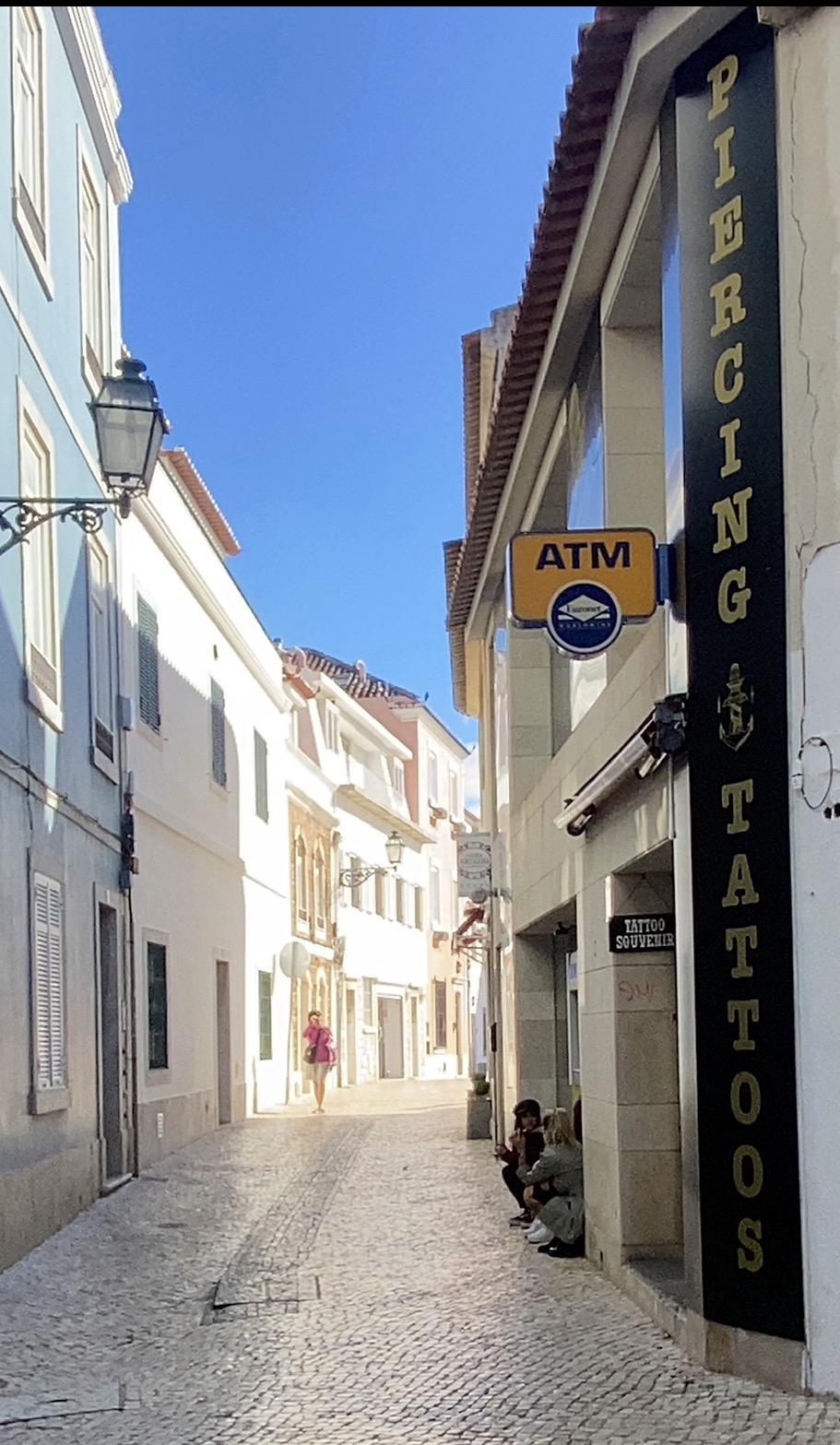
It is the kind of place where you can settle into the day without effort. A walk along the coast, time by the water, or a leisurely lunch that stretches into the afternoon.
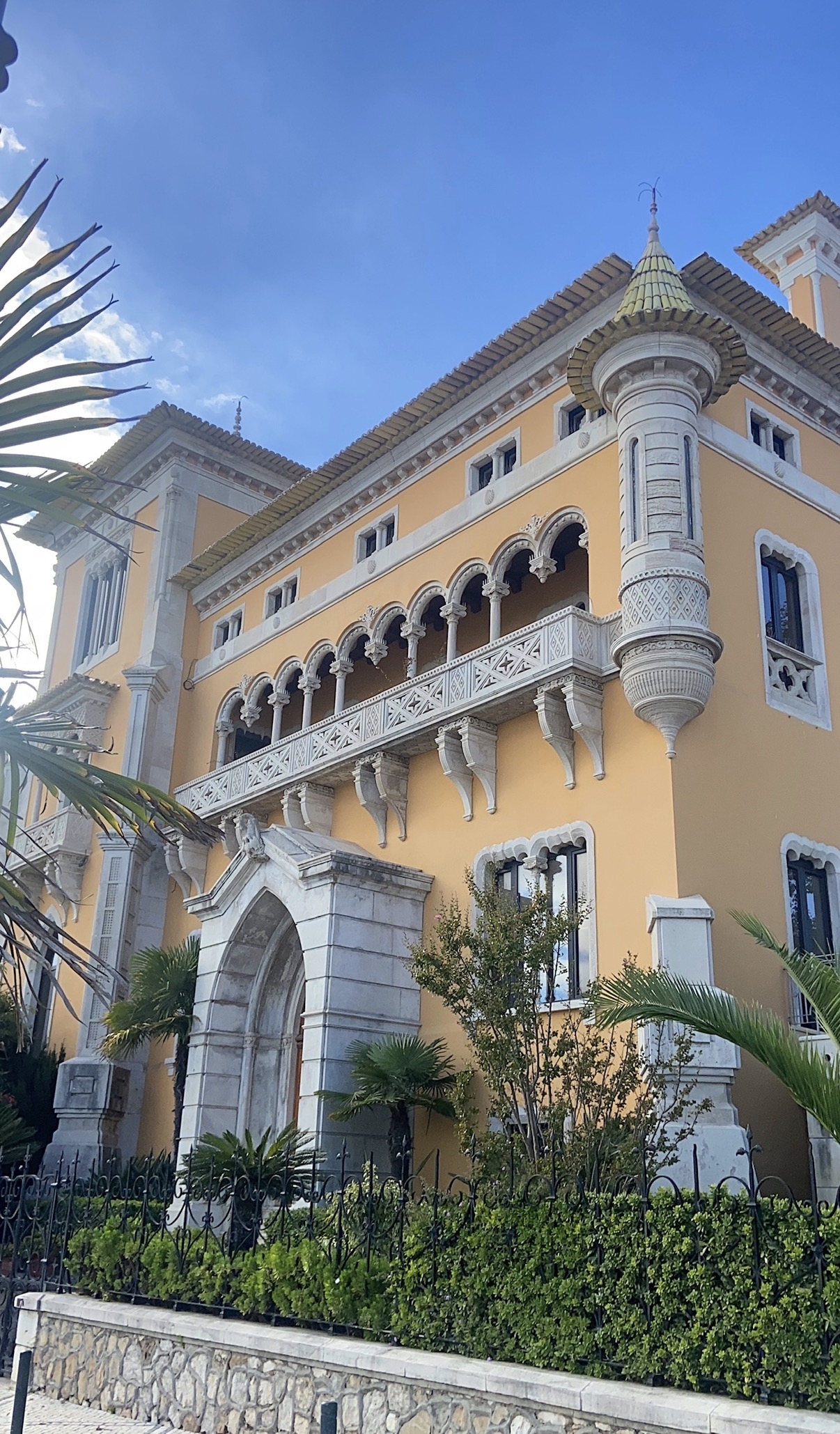
For travelers who want both city and coastline without compromise, Cascais offers a natural extension of Lisbon. It brings balance to the journey in a way that feels both easy and considered.
⸻
Porto: A Different Perspective, Across the River
Further north, Porto offers a different rhythm, one that feels grounded, layered, and deeply connected to its surroundings.
We made our way to Porto on a road trip from Lisbon, allowing the journey itself to become part of the experience. Arriving into the city this way adds a sense of transition. You feel the shift, not just in landscape, but in energy.
Rather than staying in the center, we chose to stay across the river in Vila Nova de Gaia, where the view back toward Porto is simply beautiful. From this side, the city opens up in full. The architecture, the movement along the river, and the quiet rhythm of daily life unfolding before you.
It offers a slightly removed perspective, one that feels both deliberate and rewarding.
During my time there, it rained.
And while that might shift the experience for some, I have always found that rain brings out a different side of a place. Porto, in particular, seemed to soften. The streets felt quieter, the atmosphere more intimate. There was a sense of calm that settled in, making everything feel just a bit more alive.
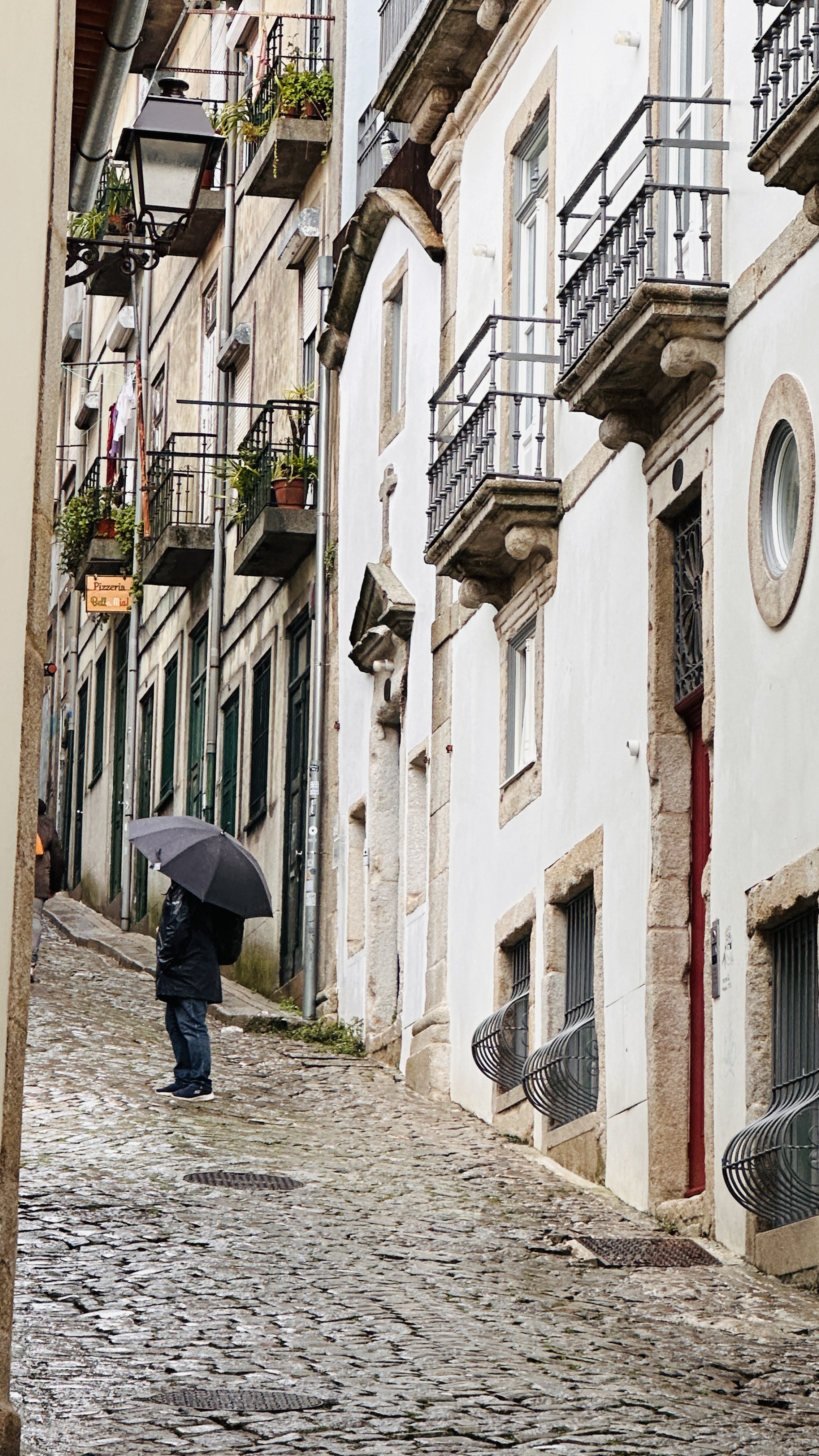
Moments lingered longer. Spaces felt more inviting. The city took on a different personality, one that felt both cozy and quietly captivating.
It is a place that invites you not just to explore, but to experience it in whatever mood it chooses to offer.
⸻
Évora: A Glimpse into Portugal’s Past
In the heart of the Alentejo, Évora offers a quieter, more contemplative experience.
This UNESCO-listed city feels preserved in time, with Roman ruins, medieval streets, and a sense of history that is deeply woven into daily life.
During my time there, we spent the morning in the city center, wandering through its historic streets before settling into a small, unassuming restaurant for breakfast. It was the kind of place you do not plan for, simply one you come across, and those are often the moments that stay with you most.
Later, we drove just beyond the city, hoping to visit a nearby vineyard. While tastings were not being offered that day, we were invited to step onto the outdoor terrace. As we looked out across the vineyards, the landscape unfolded quietly in front of us. In the distance, a herder moved slowly with his goats. Not close, not far, just present within the landscape.
There was something about that moment that felt almost suspended in time. Calm and deeply real. A reminder of a slower rhythm that still exists, even if only in certain corners of the world.
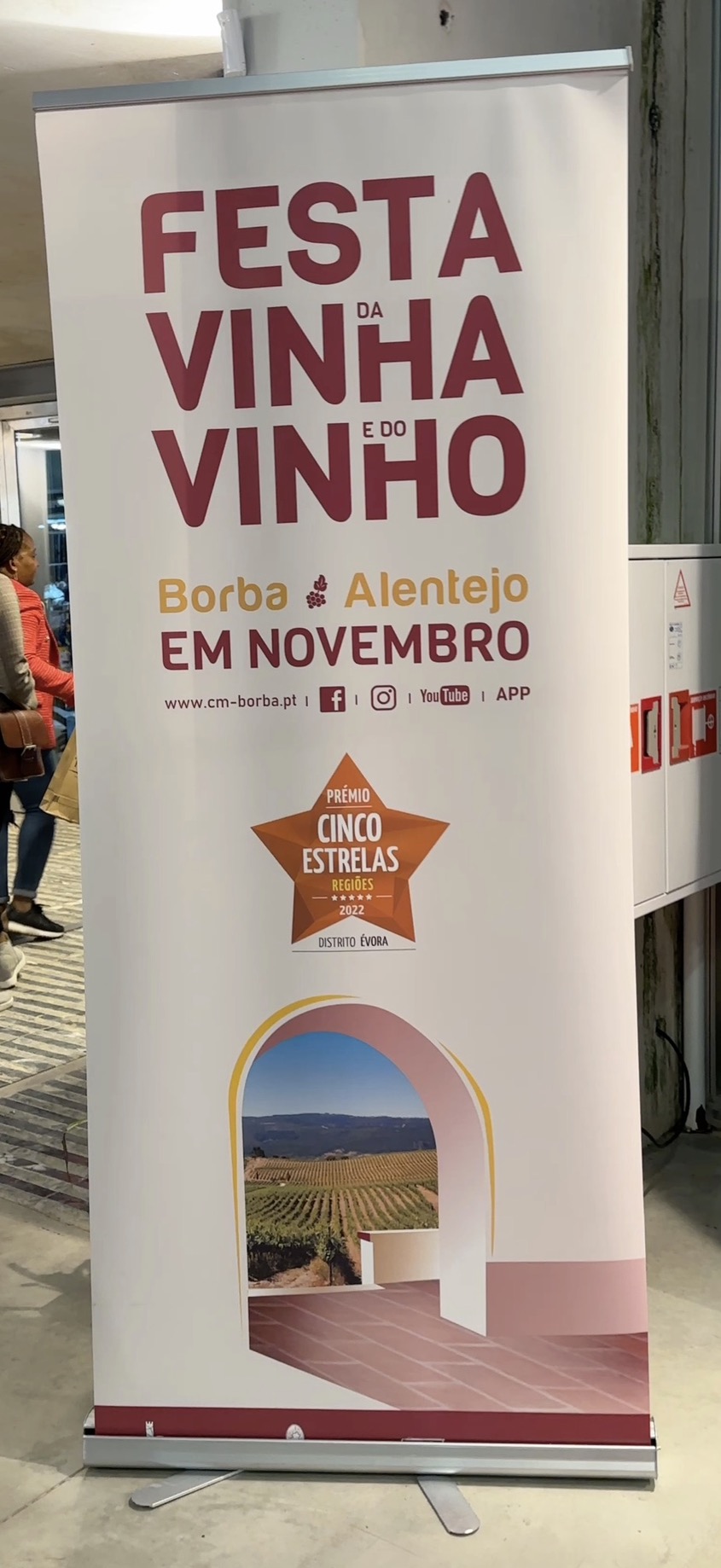
And in true travel fashion, the day continued to unfold in its own way. We later came across a local wine tasting fair, unexpected and lively, where we were able to experience the region’s wines after all.
It was the kind of day that does not follow a perfect plan, yet becomes memorable because of it.
Évora offers that balance. History, simplicity, and moments that feel both grounding and quietly extraordinary.
⸻
Alentejo: Space, Stillness, and Simplicity
Beyond Évora, the Alentejo opens into one of the most quietly beautiful landscapes in all of Portugal.
Rolling plains stretch to the horizon in every direction. Cork oak trees dot the golden fields. Villages appear suddenly, small and ancient, as if they have been there so long the land has simply grown around them.
The Alentejo does not announce itself. It asks you to slow down first, and then it begins to show you what it holds. Boutique properties here are genuinely restorative, positioned within the landscape rather than set apart from it. The food is honest and deeply regional. Black pork, locally pressed olive oil, and wines that carry the particular warmth of this sun-drenched terrain.
For the traveler who needs to genuinely decompress, who wants beauty without spectacle and stillness without boredom, the Alentejo delivers something very few destinations in Europe can match. It moves at its own pace, completely naturally, without performance. And it is the kind of place that rarely appears on first-time itineraries, which is precisely why it belongs on yours.
Portugal is best visited between March and May in the spring and September through October in the autumn. The light is extraordinary, the temperatures are comfortable, and the country feels most fully like itself when it is not overrun with summer crowds.
⸻
The Algarve: More Than a Coastline
The Algarve is often known for its dramatic coastline, and for good reason. Golden cliffs, expansive beaches, and clear waters create a striking landscape.
Yet beyond the coast, there is another side of the Algarve that feels quieter and more immersive.
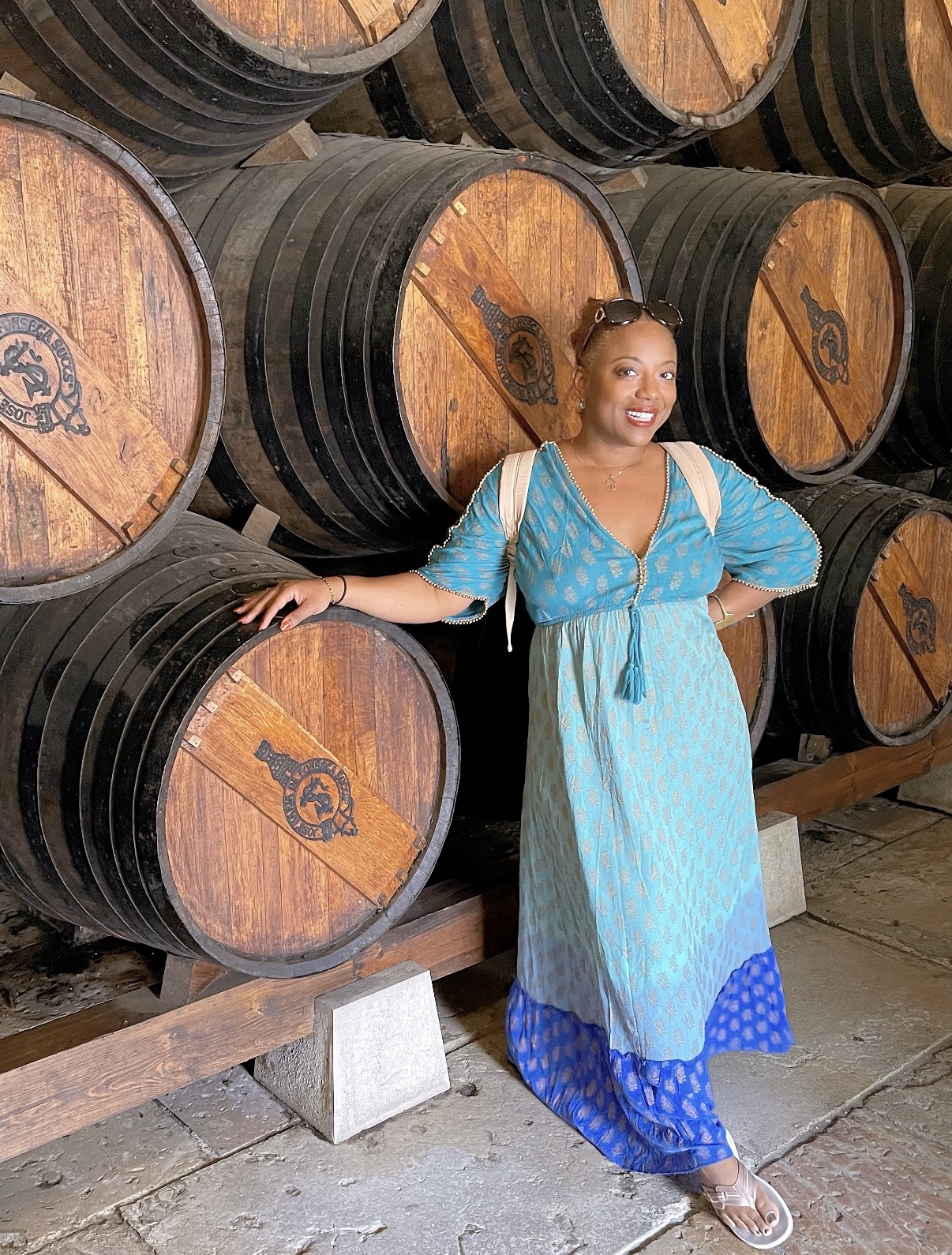
It is here that the region’s growing wine scene begins to emerge. The Algarve has become an increasingly compelling destination for wine tourism in Portugal. Not in the traditional sense of large estates or heavily traveled routes, but through intimate vineyard experiences, private tastings, and a deeper connection to the land.
For those who take the time to explore beyond the shoreline, this side of the Algarve often becomes one of the most memorable parts of the journey.
For a closer look at this experience, including vineyard stays and wine blending opportunities, explore our full feature on the Algarve’s wine culture and the Negra Mole grape.
⸻
Frequently Asked Questions About Portugal Travel
Q: What are the best regions to visit in Portugal and how do I choose?
A: Portugal is not one destination. It is a collection of distinct regions, each offering something entirely different. Lisbon suits travelers who want energy, culture, and city life. Cascais adds coastline without leaving the Lisbon orbit. Porto rewards those who want character, wine, and a more grounded pace. Évora and the Alentejo are for travelers who want history, stillness, and genuine immersion in the Portuguese interior. The Algarve delivers coastline and, for those who go deeper, a growing wine culture that surprises almost everyone who finds it.
Q: What is the best time of year to visit Portugal?
A: The spring months of March through May and the autumn months of September through October offer the best conditions for luxury travel in Portugal. The light is extraordinary, temperatures are comfortable, crowds are significantly lighter than peak summer, and the country feels most fully like itself during these seasons.
Q: Is Portugal good for food and wine travel?
A: Portugal is one of Europe’s most rewarding destinations for food and wine travel, and one of the most underestimated. Each region has its own distinct culinary identity. The Alentejo is known for black pork, olive oil, and full-bodied wines. Porto anchors the Douro Valley wine region, one of the oldest in the world. The Algarve has a quietly emerging wine scene built around the native Negra Mole grape. And throughout the country, the food is honest, deeply regional, and consistently extraordinary.
⸻
A Journey Designed with Intention
Portugal is not a destination that benefits from rushing.
The beauty of the country lies in how its regions connect and complement one another. Lisbon and Cascais together. The road north to Porto. A pause in Évora before the stillness of the Alentejo. And the Algarve, both its coast and its quieter interior, as a final exhale before the journey home.
At Storied Travel, we are a boutique luxury travel design firm and tailor-made luxury travel agency. We approach Portugal with this in mind. Each itinerary is designed to reflect not only the destination but the traveler themselves. We know which regions suit which travelers, how long each place deserves, and how to pace a Portugal journey so that every transition feels right rather than rushed. Clients from Boston, New York, Atlanta, and Chicago regularly tell us that Portugal surprised them more than any other European destination they had visited. We design each itinerary to make sure it does.
To understand more about how we design journeys like these, our article on what a luxury travel advisor actually does offers a complete picture of the process.
⸻
Begin Your Story
Portugal has a particular quality that is difficult to describe but impossible to miss once you have felt it. The light at a certain hour. The pace of a long lunch. The way a city or a landscape settles into you slowly and stays long after you have left.
If Portugal has been calling you, we would love to help you hear it clearly. Tell us what draws you to it and we will design something that lets you experience it the way it deserves to be experienced.
[email protected]
1-800-566-7574
⸻
About the Author
Sofia Calvin is the Founder and CEO of Storied Travel, a boutique travel design firm built around one idea: that smart luxury is not about spending more. It is about feeling more. More present. More at ease. More like yourself. Sofia and her team create personal, tailor-made journeys for travelers who value their time and want every moment of their trip to feel effortless and entirely their own. With a background in high-end hospitality and firsthand experience across dozens of destinations worldwide, including Portugal, the Algarve, Italy, Tanzania, Morocco, and beyond, she designs travel that stays with you long after you return home.


