

What Food Reveals About Panama: A Journey Through Flavor, Culture, and Home
When I think about Panama, I do not think about the canal.
I think about home.
I think about almojábanos, warm and fresh. Empanadas made with yellow corn dough. Ceviche. A cold local beer. A pot of sancocho shared at the table.
For me, Panama has always been tasted before it is seen.
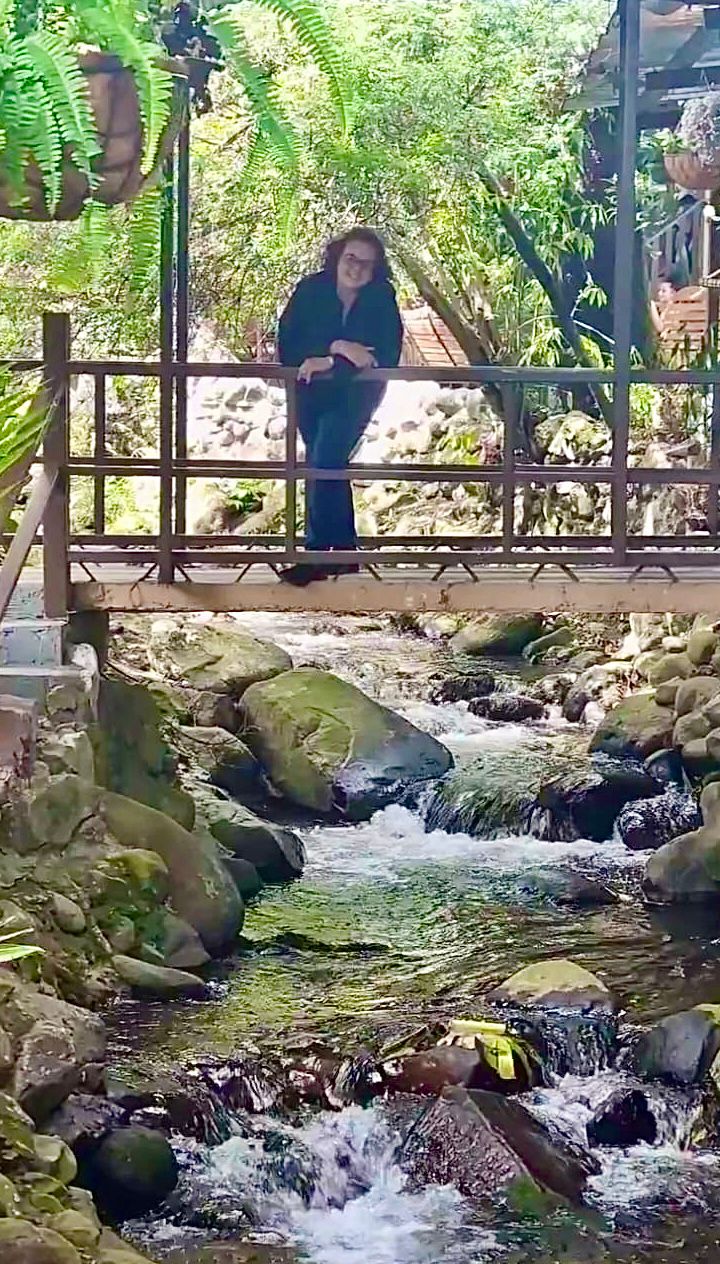
I was born in David, in the province of Chiriquí. A different Panama. One that moves at a slower pace. One surrounded by mountains, where the landscape feels constant and grounding. And just beyond it rises the Volcán Barú.
That, too, is Panama.
Tasting your way through Panama reveals something that no itinerary can fully prepare you for: that food here is not just sustenance. It is identity, memory, and an invitation into a culture that gives itself generously to the traveler who arrives with genuine curiosity. For the right traveler, a journey through Panama’s food culture is one of the most rewarding ways to understand a destination anywhere in the world.
The Panama Most Travelers Never Find
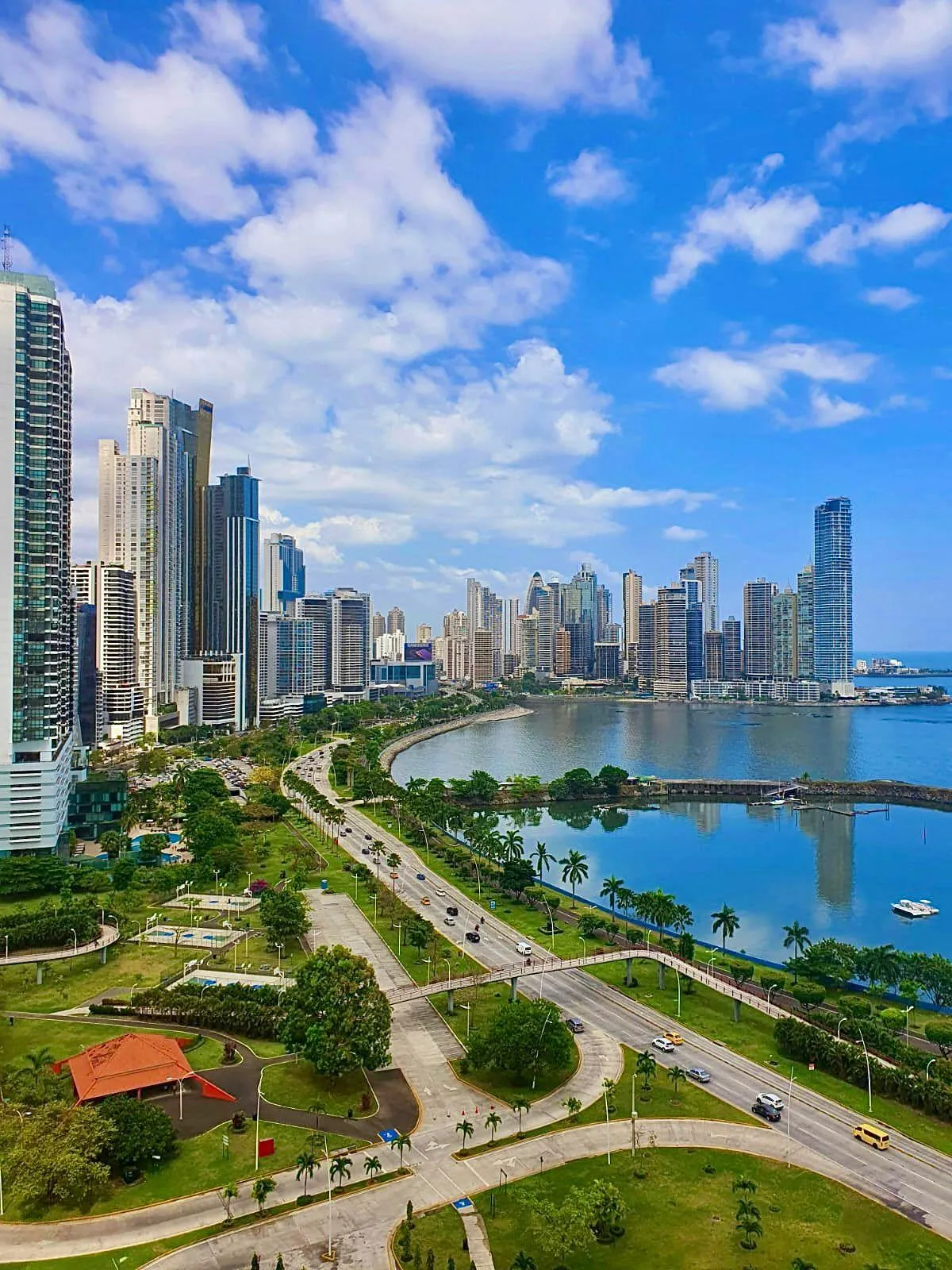
Most people think of Panama through a very specific lens. The Panama Canal. Panama City. A skyline filled with modern buildings. A cosmopolitan atmosphere. A place known for shopping, for business, for movement.
And none of that is wrong. But it is incomplete.
Step outside the city and everything changes. Cross the Bridge of the Americas toward the interior and the experience shifts. Not just in what you see. In what you taste.
Panama is not one culinary identity. It is many.
The Caribbean brings coconut, spice, and depth. The interior is grounded in corn, slow-cooked broths, and recipes passed down through generations. The Pacific carries its own influence. Each region expresses itself differently.
If you want to understand Panama, you start with a bowl of sancocho.
The Secret of the Soup
Sancocho looks simple at first. A chicken soup, slow-cooked with root vegetables, served with rice and often a touch of spice.
But it is not one recipe.
In Panama City, it tastes one way. In Chiriquí, another. In other regions, it shifts again. The base remains. The identity changes. And that is Panama.
I learned what sancocho really means from a woman named Tona.
Tona cooked for my grandmother, and then for my mother. She made sancocho in my mother’s kitchen the way she had always made it, with a patience and a precision that I have never forgotten.
She would explain that the secret of the soup was to add each ingredient at the right moment. You start with the hardest root vegetables, the ones that need the most time, and you work your way toward the ones that cook quickly. Each vegetable reaches its exact point. Never put all the vegetables in at the same time.
That lesson stayed with me.
Because Tona was not just teaching me how to make a soup. She was teaching me how Panama works. Nothing rushed. Nothing thrown in all at once. Each element given the time and attention it needs to become what it is meant to be.
That is Panama.

A Country Best Understood Through a Kitchen
You can travel across Panama and eat food from everywhere. Peruvian, Indian, Argentine, Spanish, Italian, Greek. Panama is cosmopolitan. It has always been connected to the world.
But if you want to understand Panamanian food, you have to go deeper. Into a home. Because food here is not just something you order. It is something you are given.
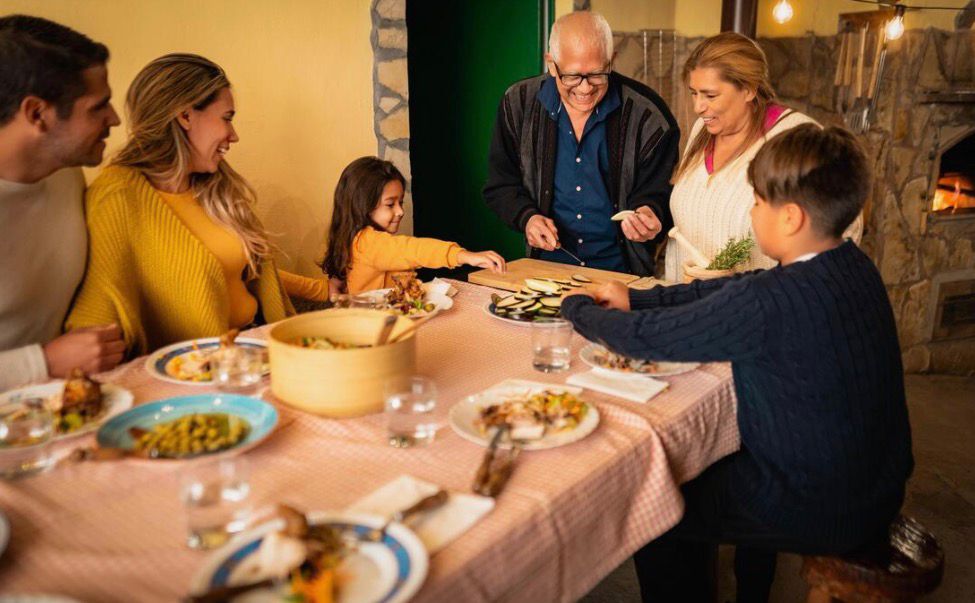
There is music. There is conversation. There is movement. Meals stretch longer than expected. Someone starts dancing. Someone brings more food. It is not structured. It is lived.
This is why I include cooking classes in every Panama itinerary I design. Not the kind where you follow a recipe card and photograph the result. The kind where you stand in a kitchen with someone who has been cooking this way their whole life and you learn not just how a dish is made but why it is made that way. What the ingredients mean. Where they come from. What occasion they belong to.
A cooking class in Panama is not an activity. It is a way into the culture that no museum or tour can replicate.
Who Panama Is For
The clients I love sending to Panama are the ones who travel with genuine curiosity. They want to understand a place, not just see it. They are drawn to history, to culture, to the kind of experience that changes how they think about something.
For that traveler, Panama’s food culture is one of the most rewarding entry points into a destination they will quickly fall in love with. I have sent clients from Chicago and across the Midwest to Panama who arrived not knowing what to expect and came home changed by it. They come back talking about a meal they did not expect. A flavor that surprised them. A kitchen they were welcomed into. A conversation that stretched long past the food itself.
That is what Panama does to the right traveler.
As a boutique luxury travel agency that designs tailor-made journeys for travelers who value depth over spectacle, Storied Travel approaches Panama the way Tona approached her sancocho. With intention. With patience. With each element placed at exactly the right moment.
What Food Gives You
After tasting your way through Panama, something shifts.
Food is no longer just about where you go. It becomes about how it is made, who it is shared with, and the intention behind it.
In Panama, food is care. It is connection. And once you understand that, you understand the country itself.
If you are curious about how we design journeys that go this deep into a destination, our article on what a luxury travel advisor actually does offers a complete look at how we work.
Frequently Asked Questions About Panama
Q: Is Panama a good destination for luxury travelers?
A: Panama is an exceptional destination for luxury travelers who want depth alongside comfort. It offers world-class hotels in Panama City, extraordinary natural landscapes, rich cultural experiences, and a food culture that rewards curious travelers. The country is compact enough to experience multiple environments in a single well-designed journey.
Q: What makes Panamanian food culture unique?
A: Panamanian food is as regionally diverse as the country itself. The Caribbean coast brings coconut and spice. The interior is grounded in corn, slow-cooked broths, and generational recipes. The Pacific carries its own distinct influence. No single dish defines the country, but sancocho, the national soup, comes closest to capturing its soul.
Q: How does Storied Travel design a culinary journey through Panama?
A: Every Panama itinerary we design includes access that most travelers cannot find on their own. Private cooking experiences with local families, guided market visits, and tastings that connect you to the people and traditions behind the food. As a luxury travel advisor born in Chiriquí, Ana Detresno brings firsthand knowledge and relationships that shape every detail of the journey.
Begin Your Story
Panama is one of those destinations that gets under your skin in the best possible way. Like Tona’s sancocho, it reveals itself slowly, each layer more meaningful than the last. Most travelers arrive not knowing what to expect and leave already planning to return.
If Panama is calling you, I would love to help you experience it the way it was meant to be experienced. From the inside.
1-800-566-7574
About the Author
Ana Detresno is a travel advisor with Storied Travel, a boutique travel design firm and luxury travel agency specializing in tailor-made journeys for discerning travelers. Born in David, Chiriquí, Ana brings a personal and deeply rooted connection to Panama that goes far beyond research or itinerary building. She specializes in Costa Rica, Panama, Spain, Portugal, and Germany, designing tailor-made journeys for travelers who want to experience a destination from the inside. Fluent in Spanish and English, she serves clients across Chicago, the Midwest, and beyond.


